Why So Many Curly Hair Products End Up Half-Used in the Graveyard, and How to Actually Diagnose the Mismatch
The curly hair product graveyard happens because products typically get abandoned based on a vague sense that they didn’t work rather than any actual diagnosis of why, which means the next purchase is just as likely to fail for the same underlying reason. Here’s a specific diagnostic approach that identifies the actual mismatch instead of repeating the same guessing cycle.
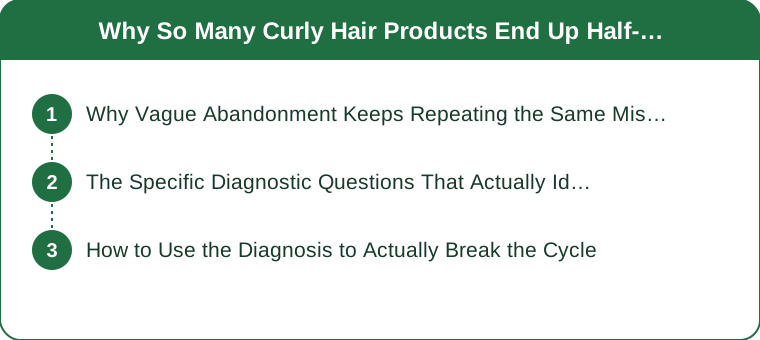
Why Vague Abandonment Keeps Repeating the Same Mistake
The real problem: the the-not-working-usually-means-one-of-several-distinct-specific-problems-getting-lumped-into-one-vague-verdict (the a product being abandoned as simply not working when the actual cause could be any of several distinct issues — protein sensitivity, humectant overload, insufficient moisture — each requiring a completely different next purchase to actually fix — the lumping-distinct-causes-into-one-vague-verdict-means-the-next-purchase-has-no-better-odds-than-the-last-one), and the reframe (the graveyard growing specifically because the diagnostic step gets skipped, not because curly hair products are inherently unreliable).
The Specific Diagnostic Questions That Actually Identify the Cause
The real diagnosis: the the-checking-whether-hair-feels-stiff-or-brittle-points-toward-protein-overload-rather-than-a-general-mismatch (the a specific stiff, straw-like feeling after a product pointing fairly reliably toward excess protein in the formula rather than a general incompatibility, a distinct and identifiable cause — the a-stiff-brittle-feeling-specifically-implicates-protein-content-not-the-product-broadly), the the-checking-whether-curls-feel-limp-or-fall-flat-in-humidity-points-toward-humectant-overload-instead (the curls losing their shape specifically in humid conditions pointing toward a formula heavy in humectants pulling in excess ambient moisture, a different and identifiable specific cause from protein sensitivity — the limp-curls-specifically-in-humidity-implicates-humectant-content-a-different-cause-entirely), and the frame (the two most common failure patterns each pointing to a specific, identifiable ingredient category rather than requiring another round of blind guessing).
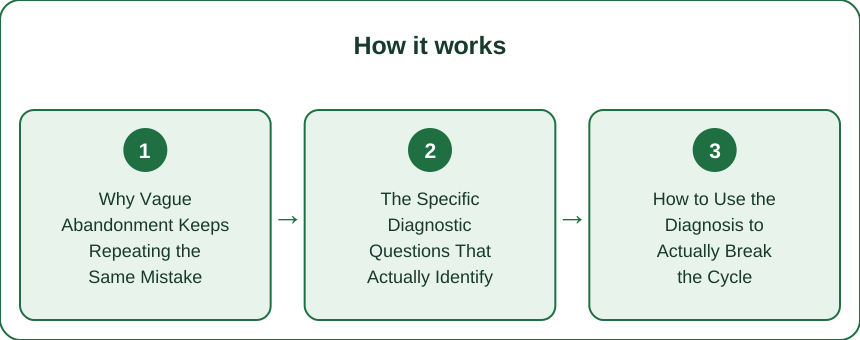
How to Use the Diagnosis to Actually Break the Cycle
The practical fix: the the-checking-the-actual-ingredient-list-against-the-identified-cause-before-the-next-purchase-breaks-the-guessing-cycle-directly (the reading the ingredient list of a next prospective purchase specifically against whichever cause was just identified, rather than choosing the next product based on marketing or a friend’s recommendation with no connection to the diagnosed issue — the checking-ingredients-against-a-specific-diagnosis-is-what-actually-breaks-the-cycle-not-simply-switching-brands), and the frame (the real fix being a diagnostic step before the next purchase, turning a repeating guessing cycle into a targeted, specific correction)).
The curly hair product graveyard keeps growing largely because products get abandoned as vaguely not working rather than diagnosed for the specific reason they failed, which means the next purchase has no better odds of success than the last one. Stiff, straw-like hair after a product points fairly specifically toward excess protein, while curls that go limp specifically in humid conditions point toward a formula heavy in humectants — two distinct, identifiable causes that call for two completely different fixes. Checking a prospective next purchase’s ingredient list against whichever specific cause was just diagnosed, rather than switching brands based on marketing alone, is what actually breaks the repeating cycle.
Keep Reading
This article is for general informational and styling purposes only. Fit, sizing, and product availability may vary.